

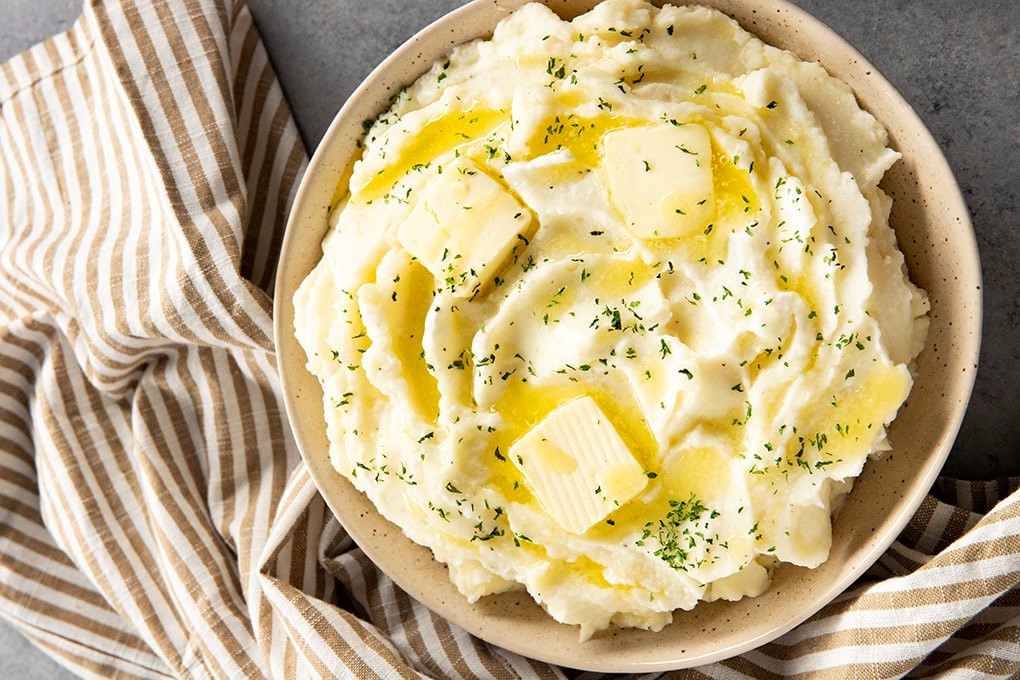
This mashed potatoes recipe is the ultimate side dish, delivering a creamy, restaurant-quality texture that pairs perfectly with everything from roasted chicken to holiday feasts. At dishy.blog, we have broken down the simple science of starch and fats to ensure you create a bowl of fluffy, buttery perfection without any gluey texture, making this a foolproof family favorite.
🛠️ Don’t Let Your Tools Ruin Your Mash
The Fluffy Potato Ricer
Hand mashers often leave lumps or overwork the starch, creating glue. A ricer guarantees the fluffiest, smoothest texture instantly.
The Ergonomic Y-Peeler
Peeling pounds of potatoes can strain your wrist. This sharp, ergonomic tool glides through skins effortlessly, cutting prep time in half.
Jump to Recipe:
Planning a Full Dinner Menu?
Mashed potatoes are just the beginning. If you are looking for the perfect mains to pair with this side, explore our “Classic American Comfort Food” collection. From juicy meatloaf to crispy fried chicken, we have tested recipes that bring warmth to your table.
1. Restaurant-Style Creamy Mashed Potatoes
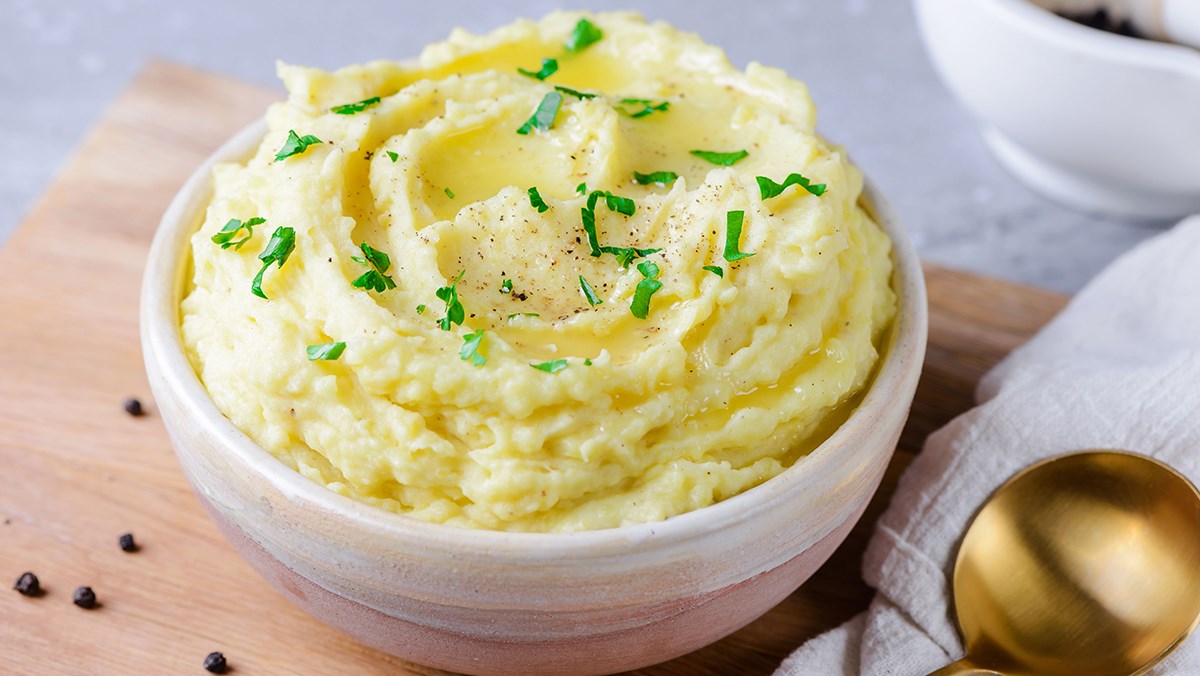
This creamy mashed potatoes recipe is designed to be the anchor of your meal, offering a rich, buttery flavor profile and a texture that is smooth yet substantial. The secret lies in the specific preparation of the potatoes and the warm emulsion of butter and milk. Tested rigorously in the dishy.blog kitchen, this method avoids the common pitfalls of wateriness or gumminess. By using precise techniques—like cold-water starting and gentle mashing—we transform simple tubers into a luxurious side dish that tastes exactly like it came from a high-end steakhouse kitchen. It is quick enough for a weeknight but elegant enough for a holiday table.
Ingredients
- • Potatoes: 5 tubers (Red skin/white flesh recommended)
- • Milk: 230 ml (adjust based on desired consistency)
- • Butter: 3 tbsp (unsalted recommended)
- • Salt & Pepper: 1 tsp (to taste)
Instructions
Prep and Clean the Potatoes
Proper preparation is the foundation of a clean, earthy flavor. After buying the potatoes, you need to process them by using cold water and gently scrubbing the outer skin of the potato tuber. To ensure your potatoes are thoroughly cleaned, you can use a Vegetable Brush to scrub the surface. With this method, the dirt and debris clinging to the outside of the potato skin will be removed in the best possible way.
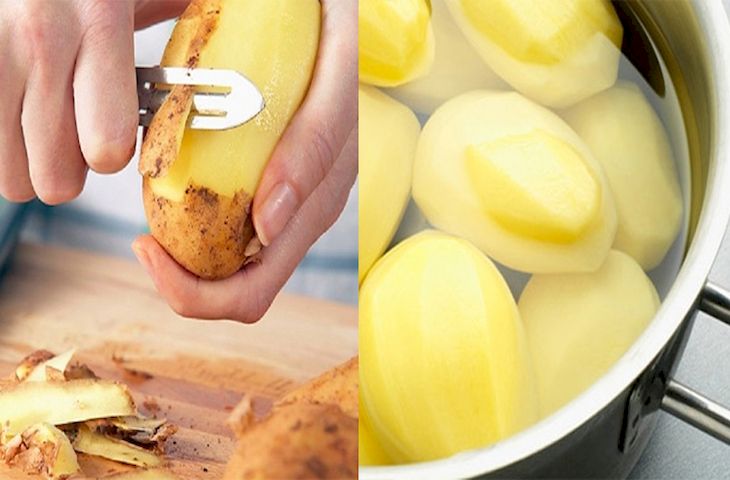
Next, to make the mashed potato mixture smoother and more consistent in texture, you need to remove the potato skin layer before bringing them to boil. A sharp peeler is essential here to minimize waste.
Boil the Potatoes
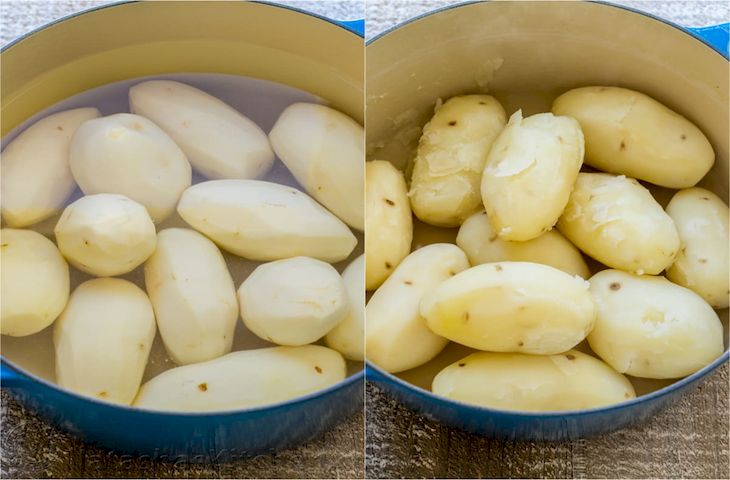
Place the prepared potatoes into a large pot and pour in cold water so that it just covers the surface of the potatoes. Using a heavy-bottomed Stainless Steel Stockpot ensures even heat distribution. Wait until the water boils and bubbles rise, then lower the stove heat and continue to simmer for 10-20 minutes for the potatoes to cook thoroughly.
You can check if the potatoes are cooked by using a chopstick or a fork, then inserting it into the potato. If the potato falls apart easily when you insert a fork, then your potatoes are cooked. To increase the flavor of the potatoes, you can add a little salt when boiling.
Note: Do not add hot water from the beginning or cover the lid when boiling; this will cause the outside of the potatoes to cook faster than the inside, resulting in an uneven texture and raw centers.
Mash the Potatoes
After the potatoes are cooked, drain the water, leaving only the potatoes, and begin to mash. To make the mashing process easier and richer, add the soft butter before mashing. You can use a fork or spoon to mash the potatoes, but for the smoothest restaurant-quality results, we highly recommend a dedicated tool.
To make the mixture pliable and tastier, mix them with the milk (or chicken stock if you prefer a savory profile) that has been heated. Cold milk can cool the potatoes down too fast, making the starch gummy. Using a high-quality Potato Masher ensures you break down the lumps efficiently without overworking the mixture.
Finish and Serve
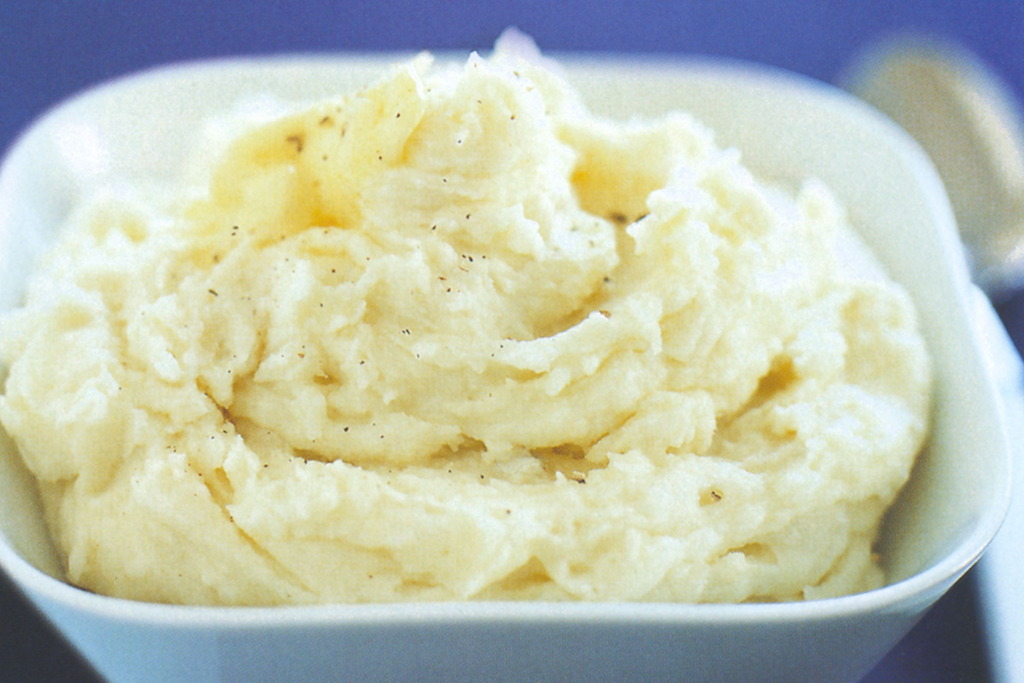
Mashed potatoes can be served as a side dish with items like fried chicken, roasted chicken, or soup. To enjoy, simply add a little salt, pepper, or add extra butter if you like a slightly fattier taste. Eating while hot will bring the best flavor, so try to use it immediately right after you finish making it. For a beautiful presentation, serve in a warm Ceramic Serving Bowl to keep the heat retained longer.
Need a Quick Main Course?
You have the perfect side dish, now you need the star of the show. Check out our “30-Minute Meals” collection for fast, nutritious, and delicious proteins that pair wonderfully with these mashed potatoes. Get dinner on the table without the stress.
🧪 The Science of Starch & Texture
Achieving the perfect texture in mashed potatoes is a battle against starch. Potatoes contain starch granules that swell and absorb water when cooked. If you agitate these granules too much (by over-mashing or using a food processor), they burst and release amylose, acting like glue. This is why we at dishy.blog emphasize gentle tools like a ricer or hand masher over electric mixers.
- Choosing the Potato: The recipe suggests potatoes with red/pink skin and white flesh. In the US, these are typically Red Bliss or Red Potatoes. These are “waxy” potatoes with lower starch content. They hold their shape well and result in a creamier, denser mash. If you prefer a fluffier, lighter mash, you might opt for Russet potatoes (high starch). For the best of both worlds, Yukon Gold is a medium-starch potato that offers a buttery flavor and creamy texture naturally.
- The Butter Barrier: Notice in Step 3 we add butter before the milk? This is scientifically sound. Fat coats the starch molecules, preventing them from clumping together and absorbing too much liquid, which helps keep the texture silky rather than gummy.
📝 Essential Cook’s Tips & FAQ
How to choose delicious ingredients
The quality of your raw ingredients dictates the final taste. Since this recipe has so few components, there is nowhere for low-quality ingredients to hide. Here is what to look for when shopping.
- Selecting Potatoes: To make delicious mashed potatoes, you should choose boiling potatoes, such as those with red/pink skin and white flesh. They usually have a round, oblong shape. This type of potato will help you produce a mixture with a firm texture similar to wax, suitable for boiling, frying, baking, and slicing for salads. If you cannot find red potatoes, you can use common yellow potatoes (Yukon Gold). However, regardless of the type, you must avoid sprouted potatoes. Sprouted potatoes contain toxins that are harmful to health. Also, pay attention to the origin and reputable production place of the potatoes.
- Dairy Choices: You can replace fresh milk with chicken stock depending on your preference. Using chicken stock makes the dish savory and lighter, while milk and heavy cream make it rich and decadent. For the ultimate luxury, use half-and-half.
Storage & Reheating (Pantry Friendly)
- Reheating: To reheat without drying out, place the potatoes in a saucepan over low heat. Add a splash of warm milk or a pat of butter and stir gently until heated through. This restores the creamy emulsion.
- Freezing: Mashed potatoes freeze surprisingly well, especially those with high fat content (butter/cream). Scoop mounds onto a parchment-lined baking sheet, freeze until solid, then transfer to a freezer bag. Thaw in the fridge overnight before reheating.

Meet Jack Reynolds, the face, the stomach, and the passionate home cook behind dishy.blog. If you are looking for a Michelin-starred chef with decades of formal culinary training and a fancy restaurant background, you are definitely in the wrong place! Jack is not a professionally trained chef; he is just a regular guy who happens to have a massive, undeniable obsession with good, hearty food and feeding the people he loves.
Born and raised in the heart of Texas, Jack grew up watching his mother and grandmother turn basic pantry staples into absolute magic. However, as he grew older and started working a demanding 9-to-5 corporate job, he realized that most recipe blogs online were either incredibly complicated, required expensive and hard-to-find ingredients, or took hours to prepare. Frustrated by the lack of realistic weeknight meals for busy families, Jack decided to roll up his sleeves, tie on a flour-dusted apron, and start experimenting in his own kitchen.
He began modifying classic Southern comfort foods and traditional American dinner favorites to make them quick, easy, and incredibly pantry-friendly. What started as a small digital diary to keep track of his kitchen triumphs (and a few burnt failures) eventually blossomed into dishy.blog.
Jack’s culinary philosophy is incredibly simple: cooking at home should never be intimidating, complicated, or boring. He truly believes that the fondest memories are made when gathered around a table with a wildly delicious, home-cooked meal. Whether he is perfecting a 20-minute One-Pan Garlic Butter Steak, cracking the code to the crispiest buttermilk fried chicken, or baking a batch of his famous “melt-in-your-mouth” triple-fudge brownies, Jack’s mission is to provide foolproof recipes that anyone can master. Every single recipe on dishy.blog is rigorously tested and family-approved to guarantee flawless results.
When he isn’t busy creating mouth-watering dishes or tweaking his ultimate baked mac and cheese recipe, Jack loves hosting weekend backyard BBQs, exploring local Texas farmers’ markets, and spending time with his wife and two kids—who happily serve as his primary, and toughest, taste testers.