

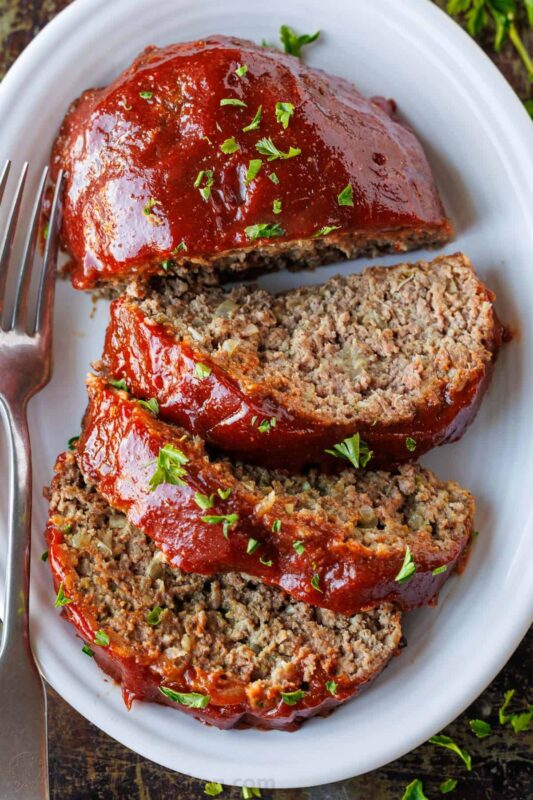
A classic meatloaf recipe is the cornerstone of American comfort food, transforming simple ground beef into a moist, flavorful masterpiece perfect for any family dinner. At dishy.blog, we have rigorously tested this method to ensure you achieve a juicy, tender meatloaf with a perfectly caramelized, tangy glaze right in your own kitchen, every single time.
🛠️ Don’t Let Your Tools Ruin Your Meatloaf
The Even-Bake Pan
Avoid soggy bottoms and uneven cooking. This heavy-duty rimmed baking sheet ensures perfect air circulation for a beautifully browned crust all around.
The Precision Thermometer
Stop guessing and start knowing. An instant-read thermometer is the only way to guarantee your meatloaf is perfectly cooked—juicy and safe—every time.
Jump to Recipe:
Craving More Comfort Food?
If you love hearty, satisfying meals, you need to explore our curated collection of classic American comfort foods. From creamy mac and cheese to savory pot roast, we have something for every craving. Every recipe is tested to perfection and guaranteed to be a family favorite.
1. Ingredients for the Perfect Meatloaf
The secret to an unforgettable meatloaf lies in a balanced combination of ingredients that provide moisture, structure, and deep, savory flavor. This recipe, tested to perfection by the dishy.blog team, relies on pantry-friendly staples to create a ground beef loaf that is tender, juicy, and anything but boring. Each component plays a critical role, from the fat content in the beef to the binders that hold it all together, ensuring a foolproof result every time.
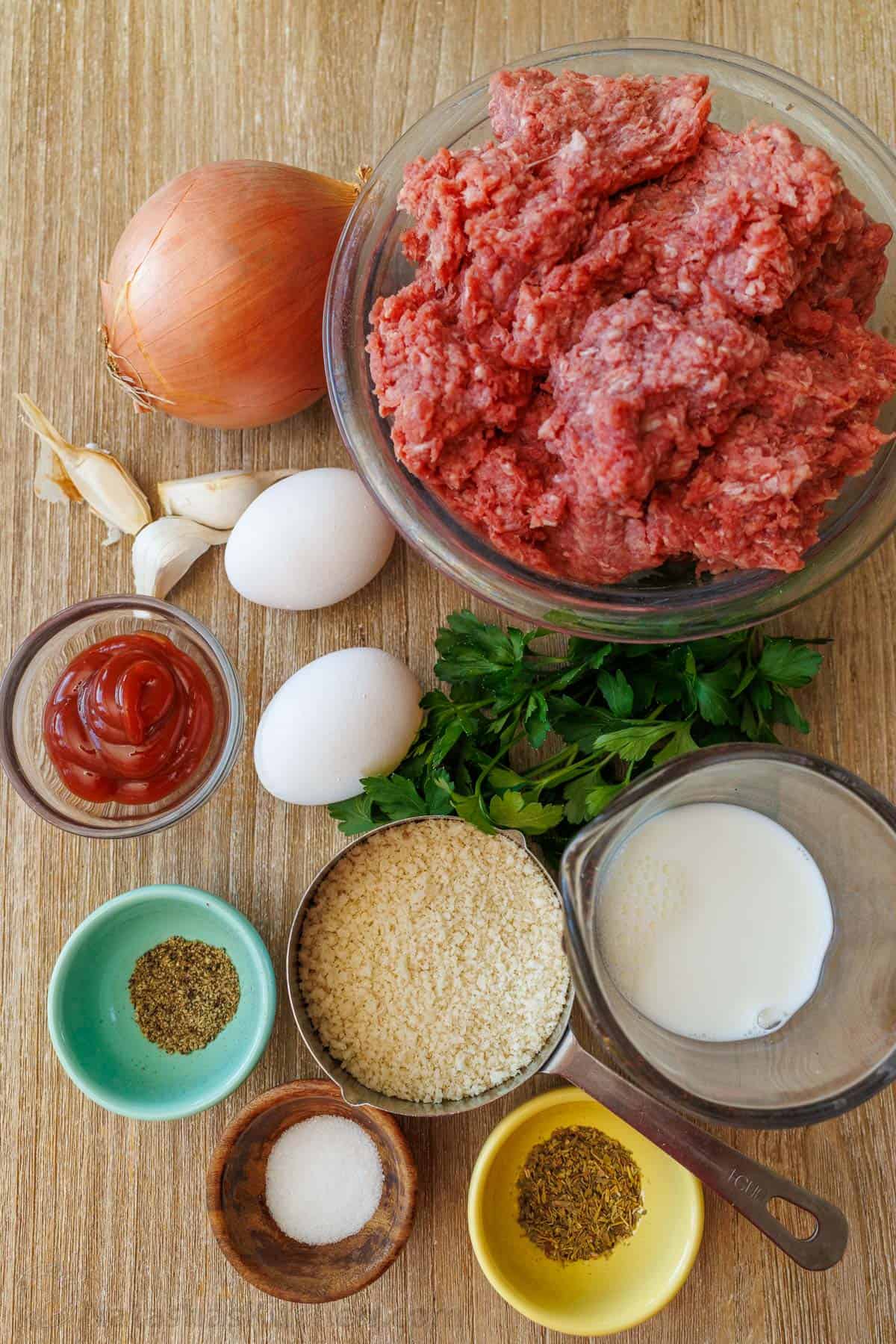
For the Meatloaf Base:
The foundation of any great meatloaf is the meat itself, supported by key ingredients that ensure it stays moist and holds its shape. We use a specific lean-to-fat ratio for richness and binders like eggs and Panko for a tender-yet-firm texture. Sautéing the aromatics beforehand is a non-negotiable step in our kitchen, as it mellows their flavor and integrates them seamlessly into the loaf. A high-quality non-stick skillet makes this initial step effortless and ensures your onions soften without sticking.
- • Lean Ground Beef: 2 lbs (use 80% or 85% lean for optimal moisture and flavor)
- • Aromatics: 1 medium onion (finely chopped) and 3 garlic cloves (minced)
- • Binders: 2 large eggs and 3/4 cup of Panko breadcrumbs
- • Moisture & Flavor: 1/3 cup milk, 2 Tbsp ketchup, and 3 Tbsp fresh parsley
- • Seasonings: 1 tsp olive oil, 1 tsp salt, 1 tsp Italian seasoning, 1/2 tsp black pepper
For the Sweet & Tangy Glaze:
A meatloaf without a glaze is just a beef loaf. This simple yet powerful sauce transforms the dish, creating a sweet, tangy, and beautifully caramelized crust that seals in moisture. The brown sugar helps the glaze caramelize under the oven’s heat, while the vinegar adds a bright tang that cuts through the richness of the beef. Combining these pantry staples in a small bowl with a silicone whisk ensures a smooth, lump-free sauce that’s ready in seconds.
- • Ketchup: 3/4 cup
- • Brown Sugar: 2 Tbsp (light or dark)
- • White Vinegar: 1 ½ tsp
- • Seasonings: 1/2 tsp each of garlic powder and onion powder
2. Step-by-Step Visual Guide
Making the perfect meatloaf is an easy, straightforward process that guarantees a delicious family-approved meal. We’ve broken down our tested-to-perfection method into four simple stages: preparing the base, mixing the loaf, shaping and baking, and applying the final glaze. Following these steps will help you avoid common pitfalls like a dry or crumbly meatloaf and ensure a juicy, flavorful result every time. Our free-form baking method on a sheet pan, rather than in a loaf pan, allows for a better crust and more even cooking.
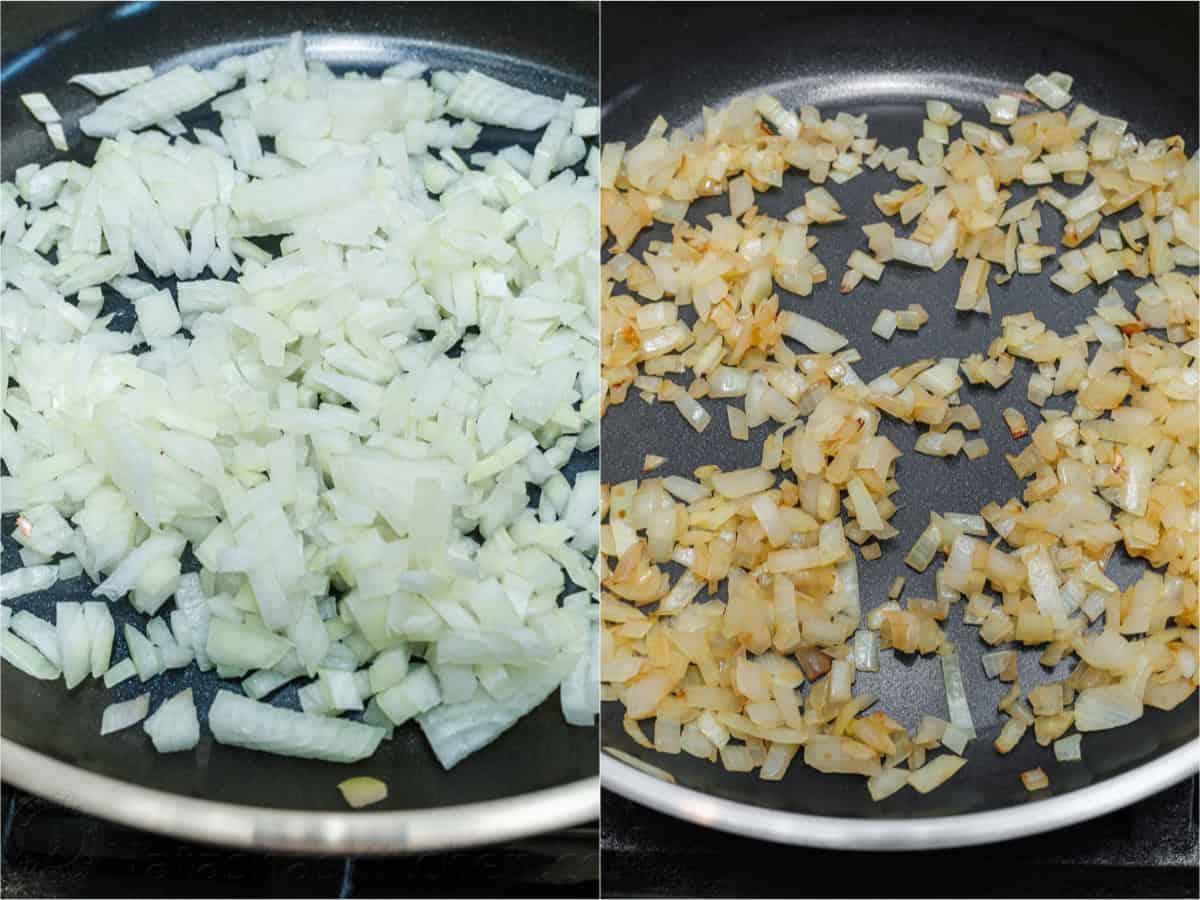
Sauté the Aromatics & Prepare Oven
First, preheat your oven to 350°F (175°C) and line a large baking sheet with parchment paper. Using pre-cut parchment paper sheets saves time and guarantees your meatloaf won’t stick. Next, heat 1 tsp of olive oil in a medium skillet over medium heat. Add the finely chopped onion and sauté, stirring occasionally, until it has softened and turned a light golden brown, which should take about 5-7 minutes. This crucial step mellows the harsh flavor of raw onion and releases its natural sweetness, adding incredible depth to the meatloaf. Once cooked, transfer the onions to a plate to cool slightly before adding them to the meat mixture.
Combine the Meatloaf Mixture
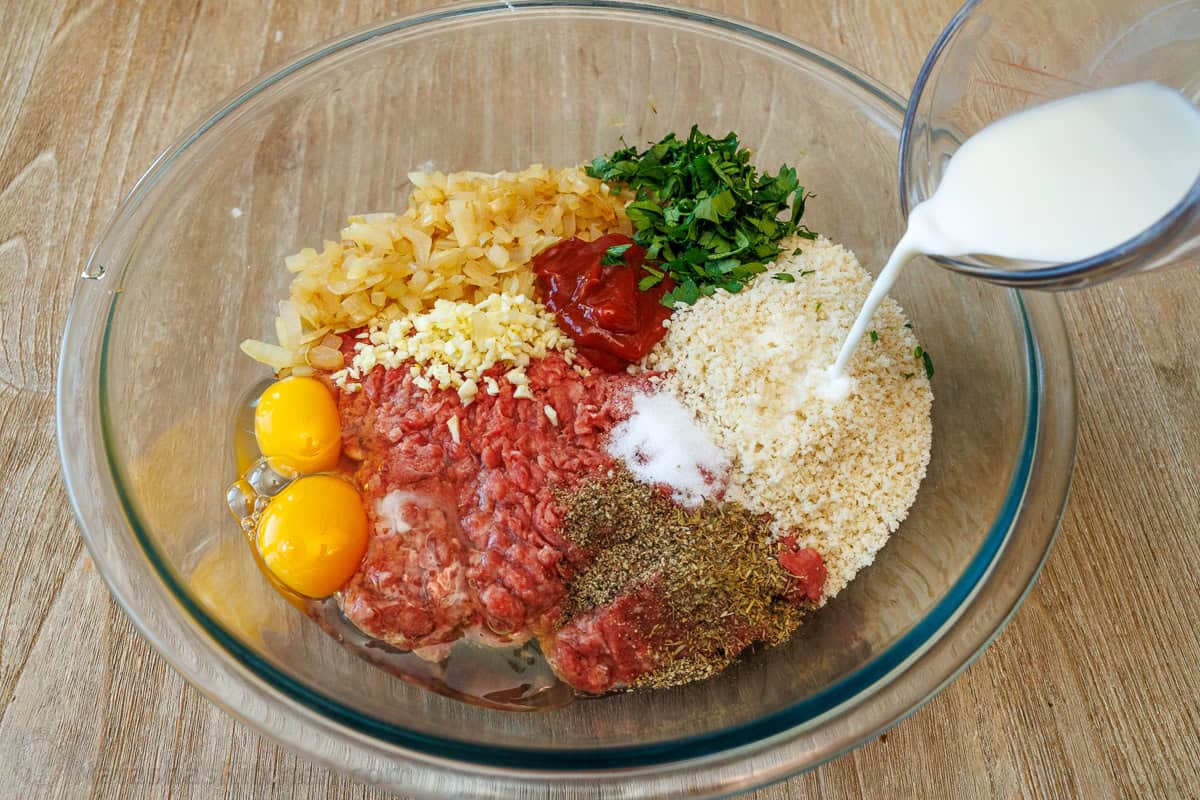
In a large mixing bowl, combine the 2 lbs of ground beef, the cooled sautéed onions, 2 large eggs, 3 minced garlic cloves, 2 Tbsp ketchup, 3 Tbsp chopped fresh parsley, 3/4 cup Panko breadcrumbs, 1/3 cup milk, 1 tsp salt, 1 tsp Italian seasoning, and 1/2 tsp black pepper. Using your hands is the most effective tool here—it allows you to gently combine the ingredients without overworking the meat. Mix only until everything is just incorporated. Overmixing is the primary cause of a dense, tough meatloaf, as it compacts the proteins and squeezes out moisture.
Shape and First Bake
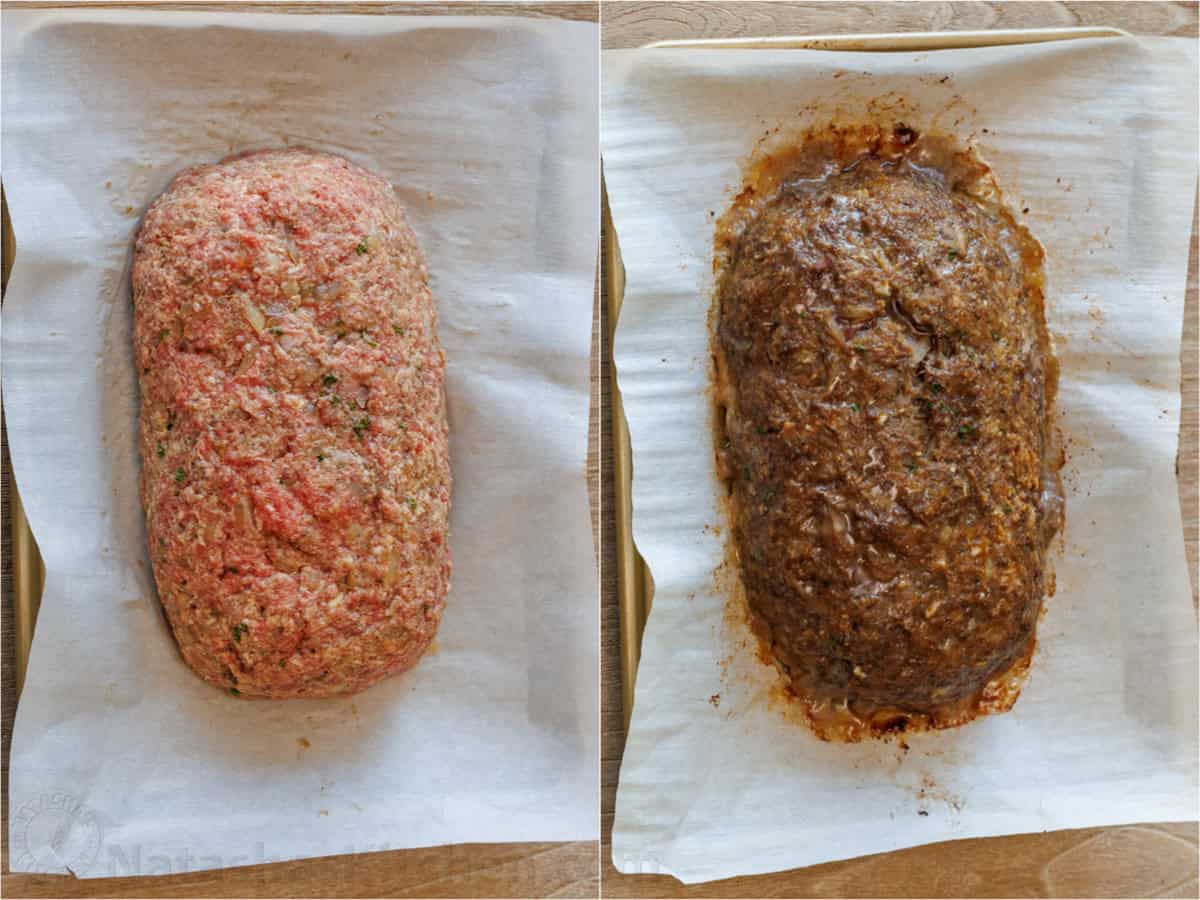
Transfer the meat mixture to the center of your prepared baking sheet. Gently shape it into a free-form loaf, approximately 8 inches long and 4 inches wide. Avoid packing it too tightly to keep the texture light and tender. Bake the meatloaf uncovered at 350°F (175°C) for an initial 40 minutes. This first bake allows the loaf to set and cook partially before the glaze is applied, preventing the sugary glaze from burning and ensuring a perfectly cooked interior.
Make Glaze, Final Bake, and Rest
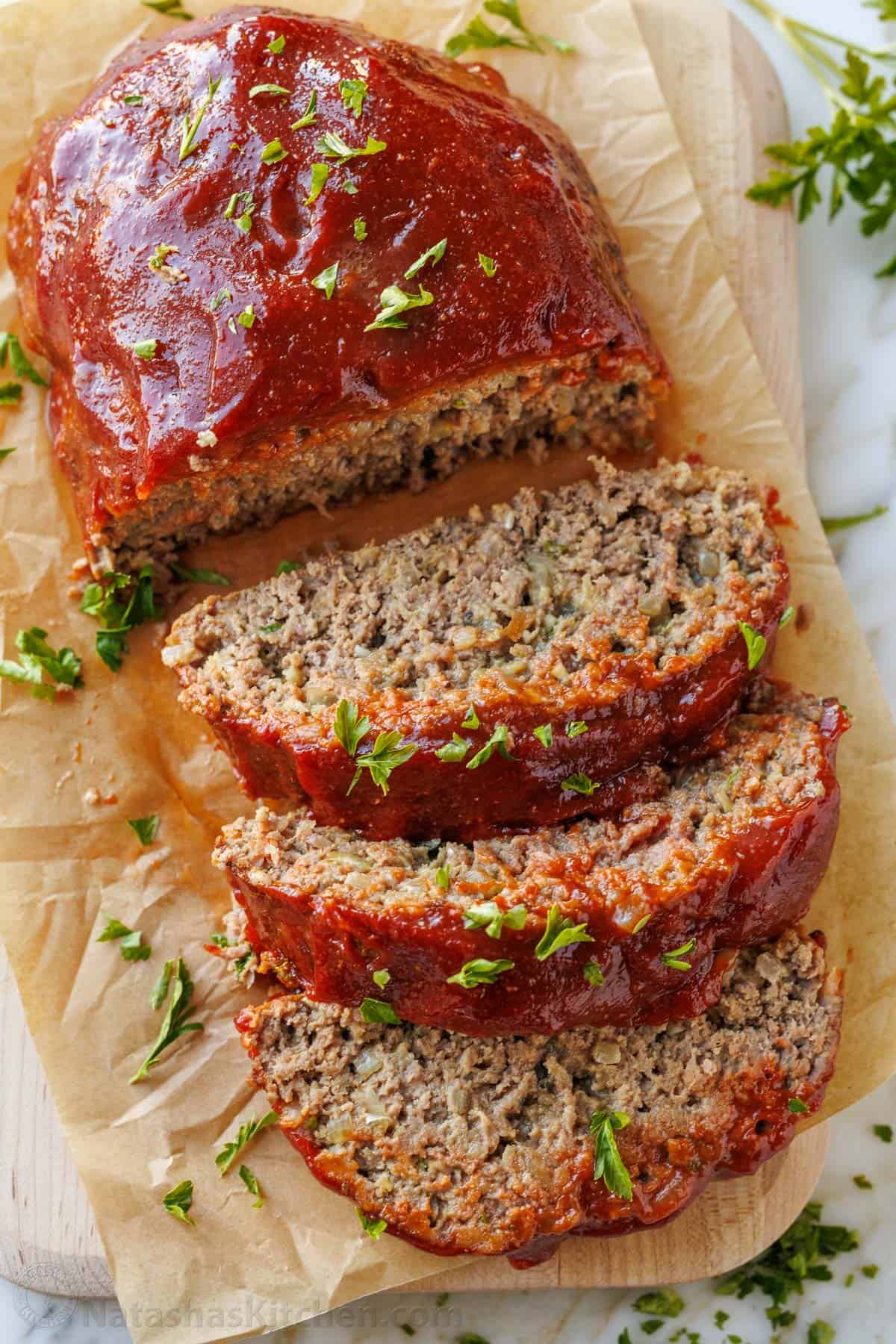
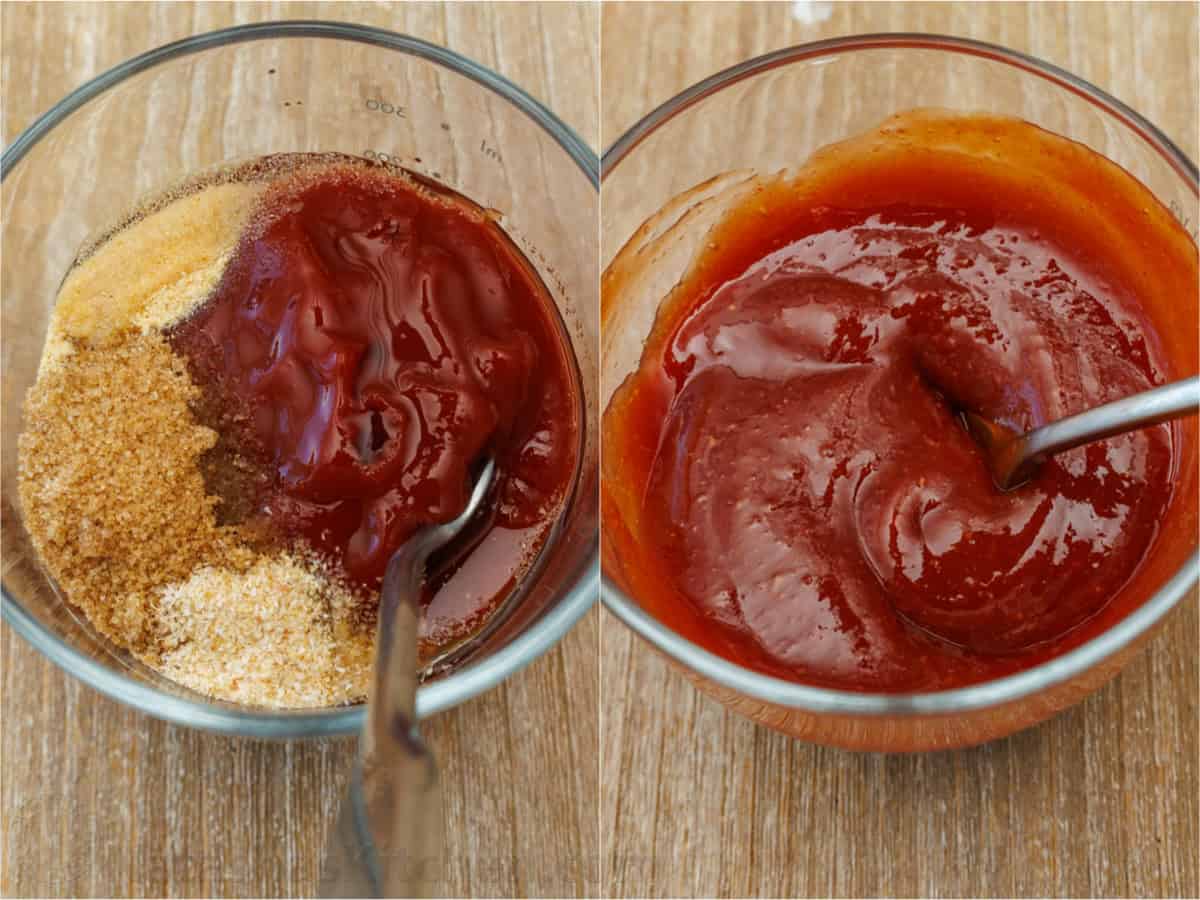
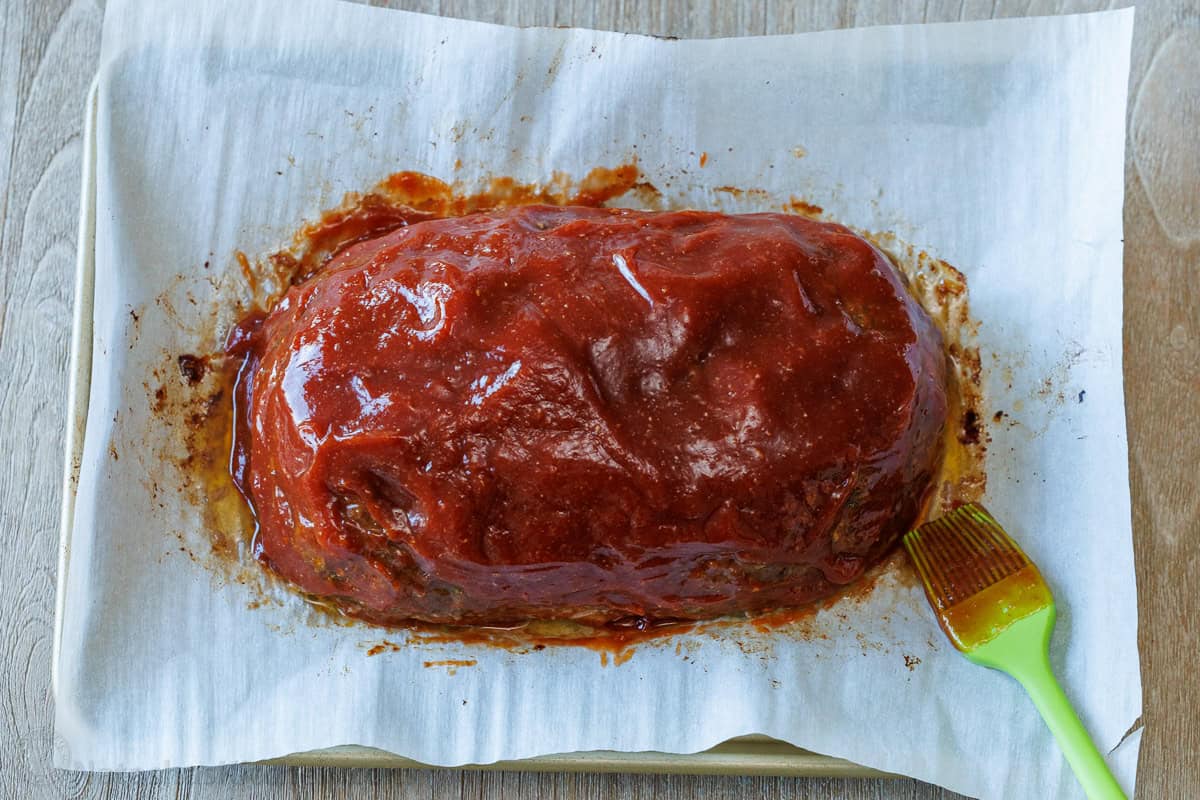
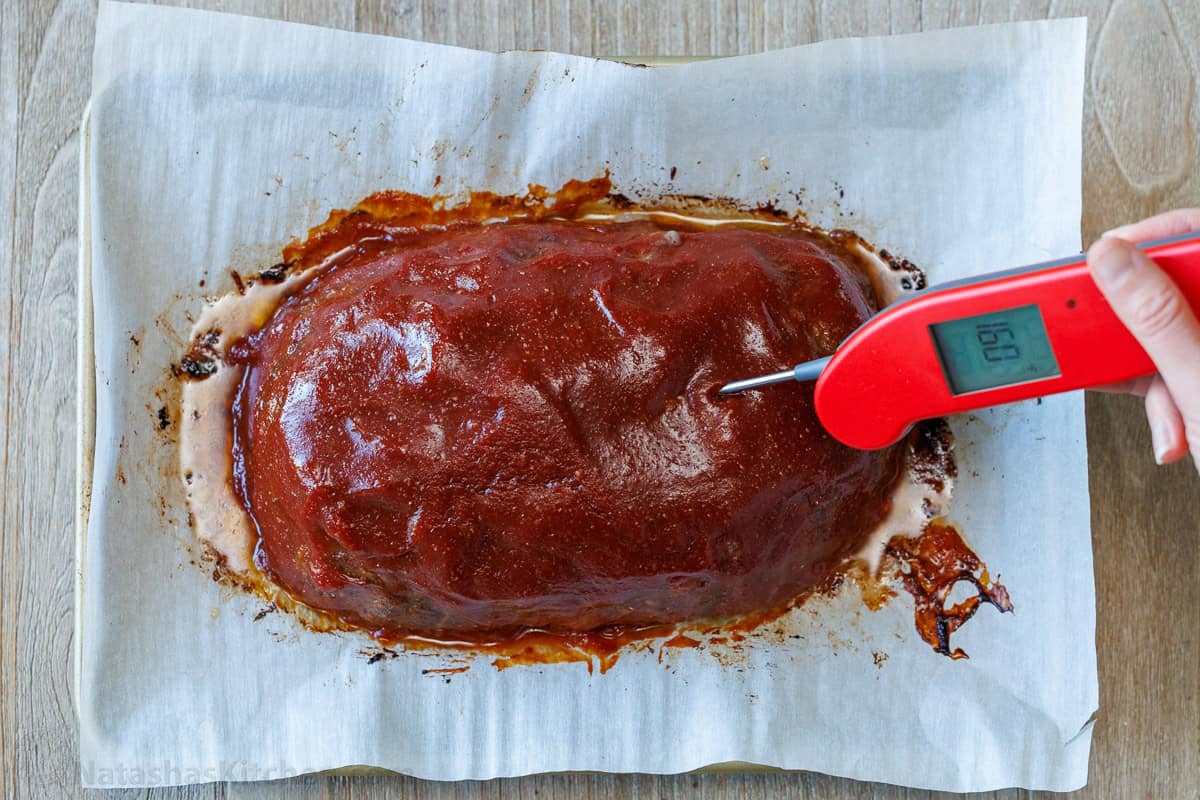
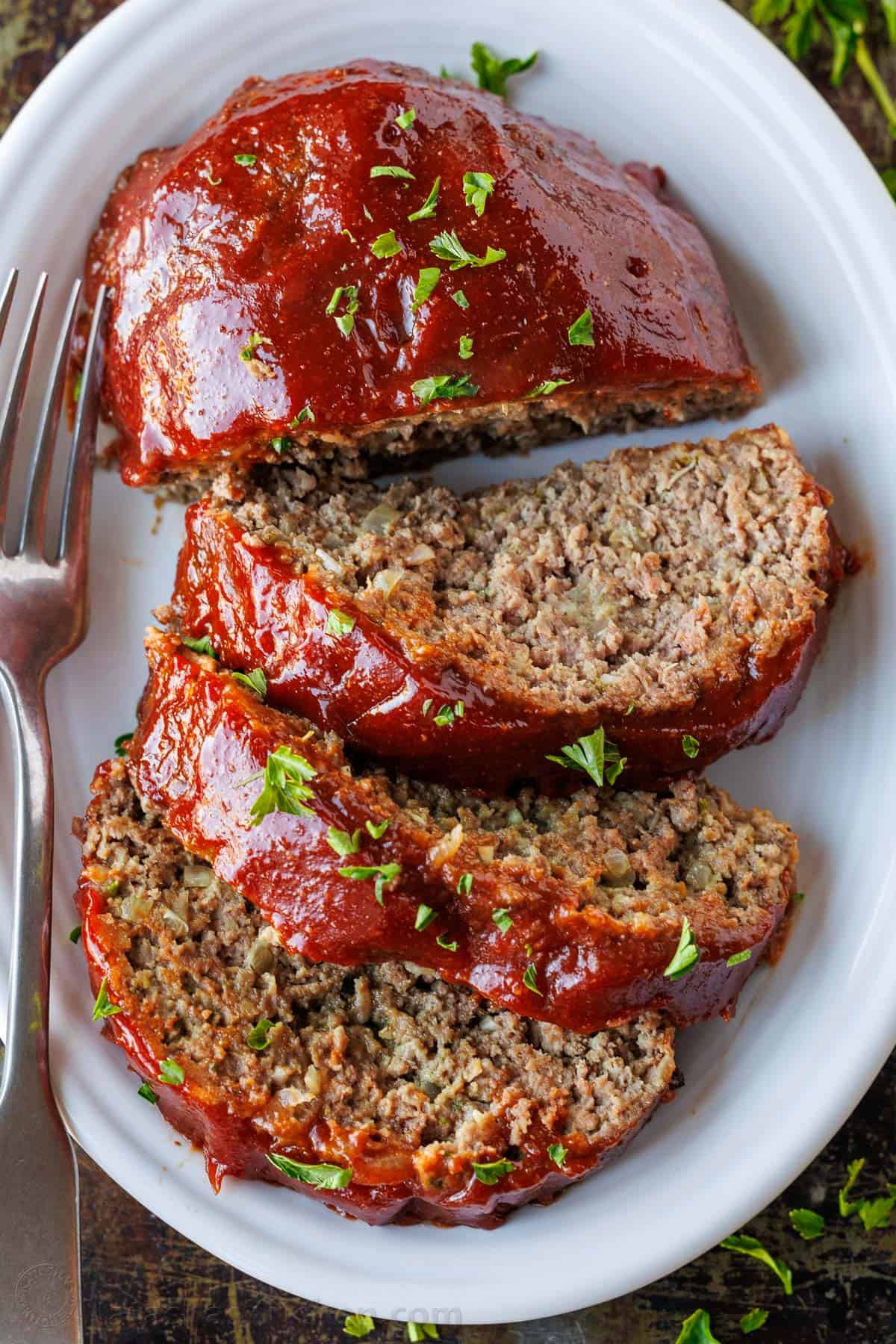
While the meatloaf is in the oven, prepare the glaze. In a small bowl, whisk together 3/4 cup ketchup, 1 ½ tsp white vinegar, 2 Tbsp brown sugar, 1/2 tsp garlic powder, and 1/2 tsp onion powder until smooth. After 40 minutes, carefully remove the meatloaf from the oven and generously spread the glaze over the top and sides using a silicone basting brush. Return it to the oven and bake for an additional 20 minutes, or until the internal temperature reaches 160°F (71°C). Once cooked, let the meatloaf rest on the pan for at least 10-15 minutes. This allows the juices to redistribute, resulting in a much juicier and easier-to-slice loaf. For perfectly clean slices, use a long, serrated bread knife.
Master Your Grill This Summer!
Ready to become the undisputed grill master of your neighborhood? Our BBQ & Grilling collection is packed with tested-to-perfection recipes for juicy burgers, fall-off-the-bone ribs, and perfectly charred vegetables. Elevate your backyard cookouts with these family-approved favorites.
🧪 The Science of a Flawless Meatloaf
Why do some meatloaves turn out dry and crumbly while others are perfectly juicy and hold their shape? At dishy.blog, we believe that understanding the science behind the recipe is key to consistent success. The interactions between fat, binders, and heat are what transform simple ground beef into a true comfort food classic. From achieving the perfect internal temperature to creating a beautifully caramelized crust, a little culinary science can elevate your meatloaf from good to unforgettable. This knowledge empowers you to troubleshoot issues and cook with absolute confidence.
- The Role of Fat and Binders: The choice of ground beef is critical. Using 80% or 85% lean meat provides enough fat to keep the loaf moist and flavorful as it cooks. This fat renders during baking, basting the meat from the inside. The eggs and breadcrumbs (the “panade” when soaked in milk) are not just fillers; they are essential binders. The proteins in the egg coagulate when heated, creating a gel-like structure that holds the meat together. Meanwhile, the hydrated breadcrumbs absorb and retain moisture, preventing the juices from escaping and ensuring a tender, not tough, final texture.
- Caramelization vs. Burning (The Glaze): The glaze is a perfect example of controlled Maillard reaction and caramelization. The brown sugar in the sauce begins to caramelize in the oven’s heat, creating deep, rich flavor notes. The ketchup’s sugars also contribute to this browning. We apply the glaze only during the last 20 minutes of baking to prevent these sugars from burning before the meatloaf is fully cooked. The vinegar’s acidity balances this sweetness, creating a tangy counterpoint that makes the final dish so addictive. According to USDA guidelines, ground beef is safe to eat at an internal temperature of 160°F (71°C), which is why using an instant-read thermometer is the most reliable way to ensure a perfectly cooked, juicy, and safe result.
📝 Essential Chef’s Tips & FAQ
How Do I Know When Meatloaf is Done?
The most reliable way to determine if your meatloaf is perfectly cooked is by using an instant-read meat thermometer. Visual cues can be deceiving, as the glaze will brown before the center is cooked through. Insert the thermometer into the thickest part of the loaf, being careful not to touch the pan. According to the USDA, ground beef is considered safe to eat when it reaches an internal temperature of 160°F (71°C). Once it hits this temperature, remove it from the oven immediately to prevent it from drying out. The meatloaf will continue to cook slightly from residual heat as it rests.
Why Did My Meatloaf Fall Apart?
A crumbly meatloaf is a common frustration, but it is usually caused by one of three things. First, not enough binder. This recipe has been tested with a precise ratio of eggs and breadcrumbs to ensure it holds together. Second, you might have sliced it too soon. Letting the meatloaf rest for at least 10-15 minutes after baking is crucial. This allows the juices to redistribute and the protein structure to firm up, making it much easier to slice cleanly. For the cleanest cuts, a long, sharp carving knife is an excellent tool. Finally, you may have used ground beef that was too lean. The rendered fat also helps bind the loaf together as it cools.
Storage & Freezing (Pantry Friendly)
- Refrigerating Leftovers: Store cooled meatloaf in an airtight container in the refrigerator for up to 4 days. Leftovers make incredible sandwiches, tacos, or can be crumbled into a quick pasta sauce.
- Freezing Raw Meatloaf: You can assemble the meatloaf up to the point of baking, shape it, and freeze it. Wrap it tightly in plastic wrap, followed by a layer of aluminum foil. It can be frozen for up to 6 months. To cook, thaw it completely in the refrigerator for 24 hours, then bake as directed, adding about 5-10 extra minutes to the initial baking time.
- Freezing Cooked Meatloaf: Once the cooked meatloaf has cooled completely, you can freeze it whole or in individual slices. Wrap tightly and store in a freezer-safe bag for up to 3 months. Thaw overnight in the refrigerator and reheat in the oven or air fryer until warmed through.
What to Serve with Meatloaf
Meatloaf is a quintessential comfort food that pairs beautifully with a variety of classic side dishes. For a truly iconic American meal, serve it alongside a generous portion of creamy mashed potatoes and a simple green vegetable. Here are some of our family-approved favorites from the dishy.blog kitchen:
- Potatoes: Creamy Mashed Potatoes, simple Baked Potatoes, or crispy Roasted Potatoes.
- Salads: A crisp and refreshing Coleslaw or a classic Caesar Salad.
- Vegetables: Simple Roasted Carrots, tender Roasted Cauliflower, or flavorful Green Beans.
- Pasta: A side of rich Baked Mac and Cheese or simple Buttered Pasta.

Meet Jack Reynolds, the face, the stomach, and the passionate home cook behind dishy.blog. If you are looking for a Michelin-starred chef with decades of formal culinary training and a fancy restaurant background, you are definitely in the wrong place! Jack is not a professionally trained chef; he is just a regular guy who happens to have a massive, undeniable obsession with good, hearty food and feeding the people he loves.
Born and raised in the heart of Texas, Jack grew up watching his mother and grandmother turn basic pantry staples into absolute magic. However, as he grew older and started working a demanding 9-to-5 corporate job, he realized that most recipe blogs online were either incredibly complicated, required expensive and hard-to-find ingredients, or took hours to prepare. Frustrated by the lack of realistic weeknight meals for busy families, Jack decided to roll up his sleeves, tie on a flour-dusted apron, and start experimenting in his own kitchen.
He began modifying classic Southern comfort foods and traditional American dinner favorites to make them quick, easy, and incredibly pantry-friendly. What started as a small digital diary to keep track of his kitchen triumphs (and a few burnt failures) eventually blossomed into dishy.blog.
Jack’s culinary philosophy is incredibly simple: cooking at home should never be intimidating, complicated, or boring. He truly believes that the fondest memories are made when gathered around a table with a wildly delicious, home-cooked meal. Whether he is perfecting a 20-minute One-Pan Garlic Butter Steak, cracking the code to the crispiest buttermilk fried chicken, or baking a batch of his famous “melt-in-your-mouth” triple-fudge brownies, Jack’s mission is to provide foolproof recipes that anyone can master. Every single recipe on dishy.blog is rigorously tested and family-approved to guarantee flawless results.
When he isn’t busy creating mouth-watering dishes or tweaking his ultimate baked mac and cheese recipe, Jack loves hosting weekend backyard BBQs, exploring local Texas farmers’ markets, and spending time with his wife and two kids—who happily serve as his primary, and toughest, taste testers.